phlboss Probability in Casino Games
phlboss: Understanding Probability in Online Casino Games
Welcome to phlboss, your premier destination for an unparalleled online casino experience, meticulously crafted for the dynamic Philippines market. In the thrilling world of online gaming, understanding the concept of probability is not just an academic exercise; it's a fundamental aspect that can significantly enhance your strategic approach and overall enjoyment. This article delves deep into the fascinating realm of probability as it applies to various casino games, demystifying the odds and helping you make more informed decisions. Whether you're a seasoned player or new to the digital felt, grasping these core principles will empower you to navigate the exciting landscape of slots, table games, and live dealer experiences with greater confidence. Join us as we explore the mathematical underpinnings that govern every spin, shuffle, and deal, ensuring you're well-equipped for your next gaming adventure.
Table of Contents
- What is Probability in Casino Gaming?
- How Probability Works in Different Casino Games
- House Edge and Return to Player (RTP) Explained
- Strategies to Leverage Probability for Better Play
- Common Misconceptions and Responsible Gaming
- Choosing the Right Games and Providers at phlboss
What is Probability in Casino Gaming?
At its core, probability in casino gaming refers to the mathematical likelihood of a specific event occurring. It's expressed as a number between 0 and 1 (or 0% and 100%), where 0 means the event is impossible, and 1 means it's certain. For instance, the probability of rolling a specific number on a fair six-sided die is 1/6. In the context of Online Casino games, probability dictates the odds of hitting a jackpot, drawing a certain card, or a specific outcome in a roulette spin. Understanding these probabilities is crucial because it helps players gauge the risk and potential reward associated with each wager. While individual outcomes are random, over a large number of plays, the actual results tend to converge with their theoretical probabilities. This concept is fundamental to how games are designed and how the casino maintains its edge.
How Probability Works in Different Casino Games
The application of probability varies significantly across different Online Casino games:
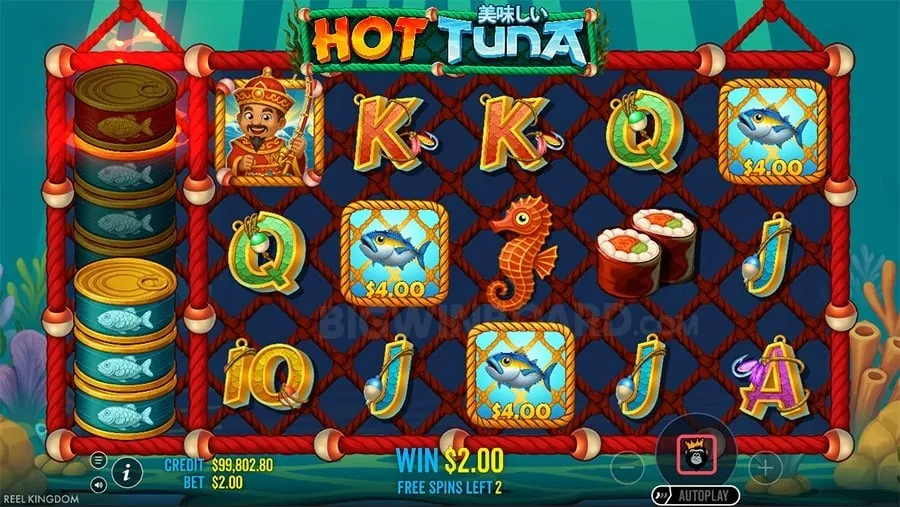
- Slots: Slot machines, whether classic or modern video slots, operate on Random Number Generators (RNGs). The probability of hitting a winning combination is determined by the number of reels, symbols, and paylines. Each spin is an independent event, meaning past results do not influence future outcomes. This makes slots purely games of chance, where probabilities are fixed and generally low for major jackpots. Gaming Providers like JILI Games and Play’n GO design their slots with specific probabilities in mind.
- Roulette: In roulette, probability is easier to calculate. For example, on a European roulette wheel with 37 pockets (1-36 plus a single 0), the probability of hitting a specific number is 1/37. The probability of hitting red or black is nearly 18/37 (slightly less than 50% due to the green 0).
- Blackjack: Blackjack is one of the few casino games where skill and strategy can influence the outcome by changing the probabilities. Players make decisions (hit, stand, double down, split) based on their hand and the dealer's up-card, which alters the probability of busting or getting a better hand. Card counting, though difficult and often discouraged, is an advanced technique based entirely on tracking probabilities.
- Poker: Poker, especially games like Texas Hold'em, heavily relies on understanding probabilities and odds. Players calculate the probability of hitting certain cards (outs) to improve their hand, the odds of their opponents having better hands, and pot odds to determine if a call is profitable. Providers like TP Gaming offer various poker options where these principles are vital.
- Baccarat: Baccarat is a game with relatively simple probabilities. The odds of the Banker hand winning are slightly higher than the Player hand due to the drawing rules. The Tie bet has a significantly lower probability of occurring but offers a much higher payout.
House Edge and Return to Player (RTP) Explained
Two critical concepts tied to probability in Online Casino games are House Edge and Return to Player (RTP).
- House Edge: This is the casino's built-in advantage, expressed as a percentage. It represents the average percentage of every bet the casino expects to keep over the long run. For example, if a game has a 2% house edge, the casino expects to keep 2 cents for every dollar wagered over millions of plays. The house edge is a direct consequence of the game's probabilistic design.
- Return to Player (RTP): RTP is the inverse of the house edge, representing the percentage of all wagered money that a slot machine or casino game will pay back to players over time. If a slot has an RTP of 96%, it means that for every ₱100 wagered, the game is programmed to return ₱96 to players over its lifespan. Higher RTP percentages generally indicate better odds for the player in the long term. Many Gaming Providers like JDB Gaming and AP Gaming prominently display the RTP of their games.
Understanding these figures allows players at phlboss to choose games that offer better theoretical returns, even if short-term results can vary wildly due to chance.
Strategies to Leverage Probability for Better Play
While probability doesn't guarantee wins, understanding it can inform your gaming strategy:
- Game Selection: Choose games with a lower house edge or higher RTP. Blackjack, certain video poker variations, and baccarat often offer better odds than many slot machines.
- Basic Strategy (Blackjack): Memorizing and applying basic blackjack strategy is crucial. This strategy is mathematically derived to give you the best possible probability of winning against the dealer.
- Bankroll Management: Understand that even with favorable probabilities, variance exists. Set a budget and stick to it. Don't chase losses, and know when to stop. This is especially important for Mobile-first gaming, where quick access can lead to impulsive decisions.
- Betting Systems (with caution): Systems like Martingale or Fibonacci are often discussed, but they don't change the underlying probabilities or house edge. They can manage short-term outcomes but don't guarantee long-term profits and can lead to significant losses if not used carefully.
- Utilize Bonuses and Promotions: phlboss often offers promotions and bonuses. While these don't change game probabilities, they can extend your playtime and give you more opportunities to hit winning streaks.
Common Misconceptions and Responsible Gaming
Several misconceptions often cloud players' understanding of probability:
- Gambler's Fallacy: